

The Beekeeper of Aleppo | Storyhouse Chester

It feels like there has been a discernible increase in harmful anti-immigration rhetoric in recent years, and with it a collective inability to understand those fleeing persecution and conflict; nobody chooses to be displaced from the country they call home, nor do they opt to make dangerous journeys through unknown territories, to get by in cramped, unsanitary conditions, or to be constantly ostracised by those with whom they come into contact. It is from this desire for clarity and understanding, as well as in direct response to the dehumanisation of refugees, that The Beekeeper of Aleppo came to be conceived.
Originally a novel by Christy Lefteri, and adapted to the stage by Nesrin Alrefaai and Matthew Spangler, the story follows the eponymous beekeeper Nuri and his wife Afra, as they attempt to escape the violence in their homeland in Syria. They tackle nightmarish situations, as they journey through Turkey and Greece, and finally make it to the UK where their future, amid the enormously complex, faceless asylum system, is shrouded in uncertainty. Nuri's cousin and mentor Mustafa has arrived ahead of them, having set up his own beekeeping business in Yorkshire, and it is the hope of joining him up north that keeps Nuri going through the long and perilous journey.
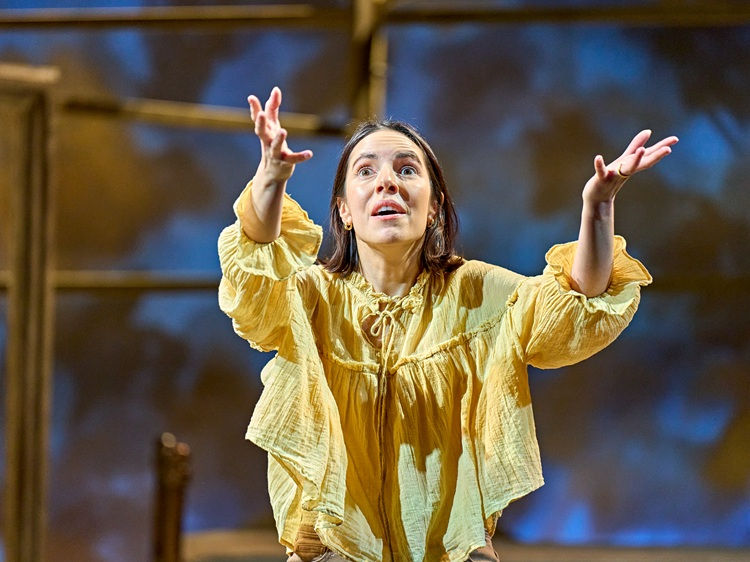
What is immediately striking about this story and its adaptation is the innate humility and compassion with which the characters are treated, with the largely anonymous figures of establishments such as the home office and NHS almost acting as villains, constantly feeling like they are against our protagonists. We are offered a unique perspective that likely hasn't crossed the minds of many of us fortunate, sheltered onlookers; inspired by author Lefteri's time volunteering in a refugee centre, the text is steeped in authenticity, presenting unabridged accounts from a range of asylum seekers from Morocco, Afghanistan, DR Congo, and of course Syria. The culture shock they experience is brilliantly, hauntingly conveyed, and presents us an opportunity for real empathy, both for the characters and the real life counterparts whom they represent.
Beekeeping is a constant tie in, from the first introductions to Nuri and Mustafa and their culture of taking care of the bees, to how individuals lost from their colony are often left to fend for themselves, the parallels drawn between bee colonies and the plight of refugees fleeing conflict are palpable. This is exceedingly clever writing from both Lefteri and adaptors Alrefaai and Spangler, as it bolsters the primary thematic material centred around destruction of home, the fragility of hope, and the enduring resilience of deep human connection. Additionally the jumps forward and back in time are carefully considered, and are used to great effect for the purposes of narrative building, never feeling convoluted or leaving us feeling lost.
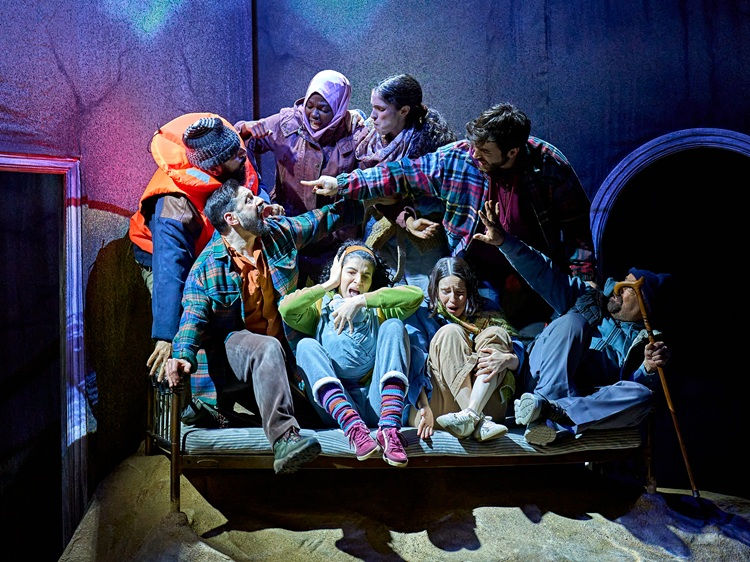
From a production point of view, this is slick, masterfully directed, and stunningly designed, with lighting and projections from Ben Ormerod a particular highlight for how they transform Ruby Pugh’s already superbly designed static set from a dilapidated Syrian house to an NHS waiting room, wild forest lands, and a voyage on the high seas. Director Anthony Almeida has brought an abundance of imagination to this production, both visually and in terms of the freedom afforded to the cast to tell the story.
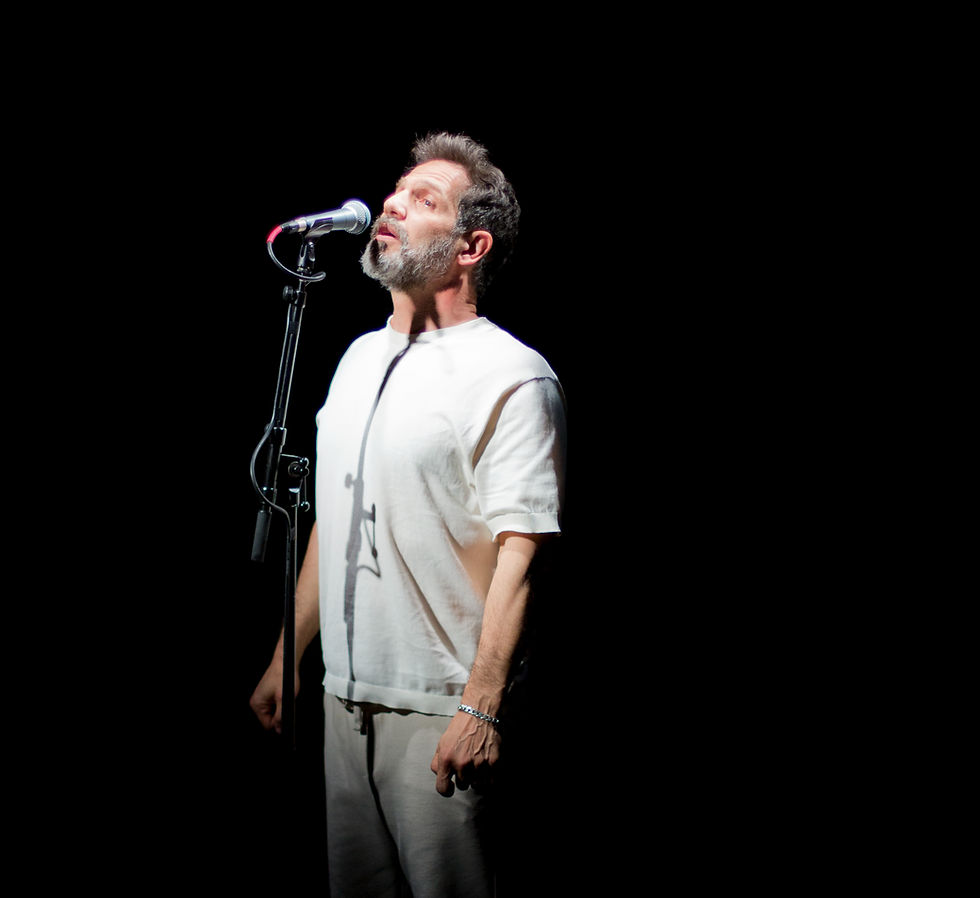
The lead and overall storytelling duties are taken admirably by Adam Sina, who brings a staunch determination, yet heartfelt sincerity to the character of Nuri, it is a performance of grit and mettle, but equally emotional maturity. The two most significant relationships to involve Nuri are arguably that of wife Afra and cousin Mustafa, portrayed by Farrah Safari and Joseph Long respectively, and each displaying gorgeous on stage chemistry with Sina. Saffari’s take on Afra is beautifully well balanced and multi-layered, equally expressing her highs and lows, especially in her depiction of how losing one’s sight can make one feel incomplete. Long portrays multiple roles, however his delivery of cousin and mentor Mustafa’s letters truly pull on the heartstrings, and whilst these prove to be the catalyst to Nuri’s story, how Long expresses these draws us in and has us rooting for his protege in his journey to see the pair reunite.
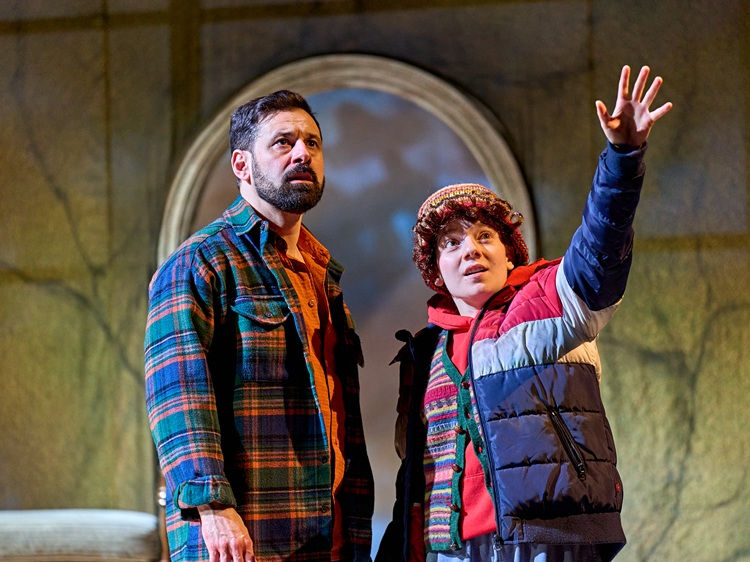
This play is not only an exquisitely written, directed and performed piece of theatre, more crucially it is perhaps one of the most important in the current climate, as it puts on display the complete extent of the hardships experienced by refugees, especially those in the war torn middle east. Gripping, gruelling, and truly gut-wrenching, Lefteri's sublime storytelling is enhanced splendidly by Alrefaai and Spangler's expert adaptation, and it's no exaggeration to say this could be essential viewing for modern audiences.
The Beekeeper of Aleppo plays at the Storyhouse Chester until Saturday 25th April - tickets and more information can be found here.
★★★★★ (5*)
Gifted tickets in return for an honest review | Photography by Manuel Harlan



Comments